
What Is Borneol and Why Is It in Thai Herbal Inhalers?
Borneol is one of the most revered compounds in traditional Asian medicine. Here's why it's a key ingredient in Thai herbal inhalers and what makes it so unique.
The Compound That Bridges Energy and Calm
If you've ever used a Thai herbal inhaler, you've experienced borneol, even if you didn't know it by name. This crystalline compound, extracted from ancient Southeast Asian trees, is one of the most paradoxical substances in traditional medicine: it calms the mind while sharpening alertness. It cools while it warms. It's been used for over 1,500 years, yet most people in the West have never heard of it.
That's about to change.
What Exactly Is Borneol?
Borneol (C₁₀H₁₈O) is a bicyclic terpene alcohol, a naturally occurring compound found in several tree species, most notably Dryobalanops aromatica (the Borneo camphor tree) and Cinnamomum camphora (the camphor laurel). It's closely related to camphor, but the two compounds have distinctly different properties that traditional practitioners have distinguished for centuries.
The scent of borneol is clean, slightly camphoraceous, and subtly cooling. It doesn't hit you with the sharp intensity of menthol or the heavy warmth of camphor. Instead, it occupies a middle ground, present but not aggressive, noticeable but not overwhelming.
Dragon Brain Fragrance
In ancient China, borneol was known as longnaoxiang, "dragon brain fragrance." This wasn't casual poetry; it reflected borneol's status as one of the most prized aromatic substances in Chinese culture. Where camphor was common and relatively affordable, borneol was rare, expensive, and reserved for the finest medicinal preparations.
Chinese pharmacopoeias from the Tang Dynasty (618–907 AD) distinguish carefully between the two substances. Borneol was assigned to "superior grade" formulations, preparations intended not just to treat illness but to maintain vitality, sharpen the mind, and promote longevity.
The Traditional Medicine Connection
Traditional Chinese Medicine
In TCM, borneol is classified as a herb that "opens the orifices", a category reserved for substances that clear the senses, restore consciousness, and sharpen mental function. It's used in formulations for:
- Headaches and sinus congestion
- Mental cloudiness and confusion
- Eye irritation and visual fatigue
- Conditions where alertness has been lost or diminished
One of the most famous formulations containing borneol is An Gong Niu Huang Wan, a classical emergency remedy that has been used for centuries to restore consciousness and mental clarity. The inclusion of borneol in such a critical formula speaks volumes about how traditional practitioners viewed its potency.
Southeast Asian Medicine
Across Southeast Asia, borneol has been a standard ingredient in aromatic preparations for generations. In Thailand, it appears in herbal inhalers (ya dom), massage balms, and medicated oils. The Thai herbal inhaler tradition, which dates back centuries, relies on borneol as a key component for its unique ability to produce clear-headed alertness without agitation.
In Indonesian traditional medicine (Jamu), borneol is valued as both a medicinal compound and a spiritual one, used in ceremonies and healing rituals alongside its practical applications.
Ayurvedic Connections
While borneol itself isn't a traditional Ayurvedic ingredient, the camphor family to which it belongs (karpura) has deep roots in Indian medicine and worship. The principle is similar across all these traditions: aromatic compounds derived from ancient trees have the power to clear the mind, open the senses, and restore balance.
Why Borneol Works in Herbal Inhalers
The pharmacological properties of borneol help explain why it's been valued for so long:
Penetration enhancement, Research has shown that borneol acts as a penetration enhancer, helping other aromatic compounds cross biological membranes more effectively. In a herbal inhaler, this means borneol doesn't just contribute its own effects, it amplifies the effects of every other ingredient in the blend.
Dual action on the nervous system, Borneol appears to modulate both excitatory and inhibitory neurotransmitter systems. This dual action may explain the paradoxical experience users describe: feeling simultaneously more alert and more calm. It's not sedating, and it's not stimulating in the jittery sense. It's something in between, a state that traditional practitioners have been describing for centuries but that Western pharmacology is only beginning to understand.
Anti-inflammatory properties, Studies have demonstrated that borneol possesses anti-inflammatory effects, which may contribute to the sinus-clearing sensation experienced when using herbal inhalers.
The Borneol Difference
What makes borneol special in the context of herbal inhalers is this: it's the ingredient that transforms a collection of strong aromatic compounds into a balanced experience. Without borneol, a blend of menthol, eucalyptus, camphor, and spices would be intense but one-dimensional, all energy, no grounding. Borneol provides the counterbalance that makes the experience sustainable and repeatable.
This is why traditional Thai inhaler formulations have always included borneol alongside their more obviously stimulating ingredients. The traditional practitioners understood, through centuries of empirical observation, what borneol brings to a blend: depth, balance, and a quality of alertness that doesn't burn out.
Finding Borneol Today
In the UK, borneol is virtually unknown outside of specialist aromatherapy circles. You won't find it in high street health shops or mainstream wellness products. It exists primarily in traditional Asian medicine products, including herbal inhalers, that are beginning to find their way into Western markets.
BLYSS includes borneol at 9% of the total blend, a concentration that reflects its importance in traditional formulations while ensuring its effects are clearly perceptible. It's the bridge between the energising top notes (menthol, eucalyptus) and the warming base (clove, camphor, black pepper), the ingredient that makes the whole greater than the sum of its parts.
An Ancient Compound for Modern Times
There's something fitting about borneol finding a new audience in London's club scene and wellness community. A compound that's been used for 1,500 years to sharpen the mind and calm the spirit, now experienced by people who want exactly those qualities on a night out, during a long work day, or in the quiet moments when they need to feel more present.
The dragon brain fragrance, it turns out, is exactly what the modern world has been looking for.
Get First Access
Be first to buy BLYSS online. Sign up for launch access.
Related Articles
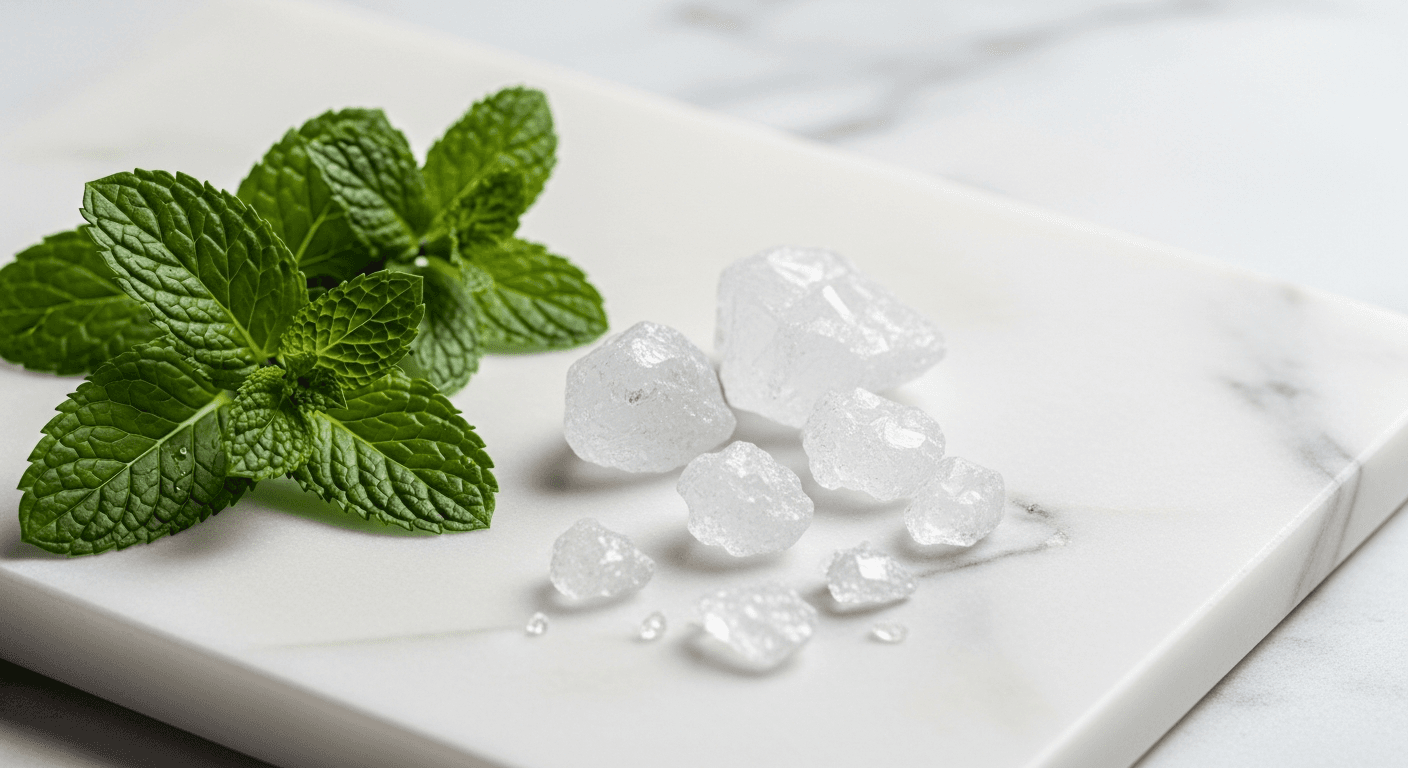
What Is Menthol? The Science Behind the Cool
Menthol tricks your brain into feeling cold. Here's the chemistry behind the world's most recognisable cooling sensation and why it dominates the BLYSS blend.
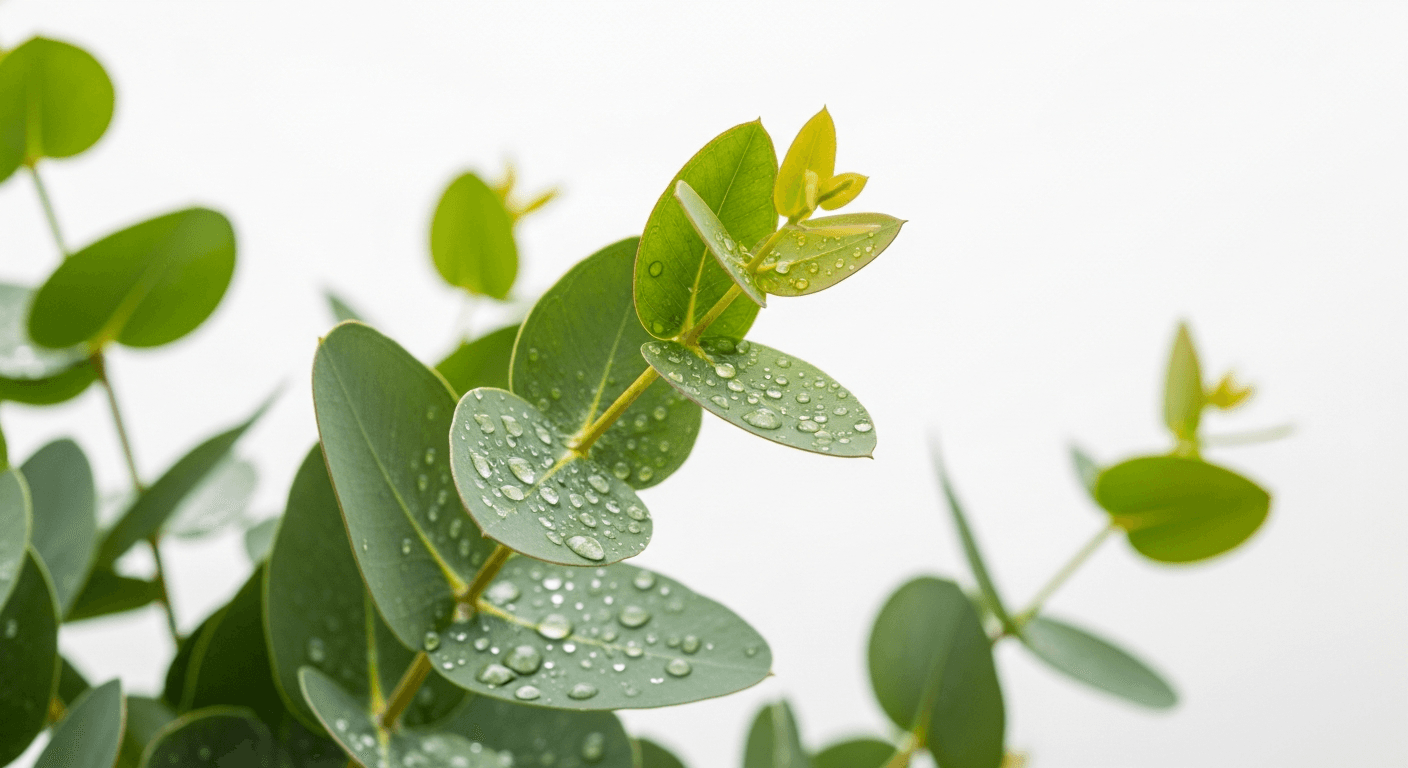
Eucalyptus: More Than a Cold Remedy
Eucalyptus has been pigeonholed as a decongestant. Its active compound, 1,8-cineole, does far more than clear your sinuses.

Camphor: The Ancient Stimulant in Your Inhaler
Camphor has been used as a medicine for over 2,000 years, here's what it actually does and why it's in your inhaler.