
Herbal Inhalers vs Energy Drinks, A Real Comparison
How do herbal nasal inhalers compare to energy drinks for staying alert? We break down the ingredients, effects, costs, and trade-offs of each approach.
Two Very Different Approaches to Energy
You're flagging. It's 2am and the night's only half done, or it's 3pm and your focus has evaporated, or you're heading into a long shift and need something to carry you through. You reach for... what?
For most people in the UK, the answer is an energy drink. Red Bull, Monster, or one of the dozens of brands that line every petrol station and corner shop. It's a £10 billion global industry built on one promise: energy on demand.
But there's another option, one that millions of people across Southeast Asia have been using daily for decades: the herbal nasal inhaler. A small tube of concentrated natural aromatic compounds that you simply hold to your nose and breathe in.
They couldn't be more different. Here's how they actually compare.
What's In Them
Energy Drinks
A typical 250ml energy drink contains:
- Caffeine (80mg, roughly equivalent to a cup of coffee)
- Sugar (27g in non-diet versions, about 7 teaspoons)
- Taurine (1000mg, an amino acid)
- B vitamins (various, often at many times the RDA)
- Carbonated water
- Artificial flavours and colours
- Preservatives
Some brands add guarana (more caffeine), ginseng, or L-carnitine. Sugar-free versions replace sugar with artificial sweeteners like aspartame or sucralose.
Herbal Inhalers
A quality herbal inhaler (like BLYSS) typically contains:
- Menthol, the cooling compound from mint
- Eucalyptus oil, respiratory-clearing aromatic
- Camphor, warming stimulant from camphor trees
- Borneol, calming alertness compound from Southeast Asian trees
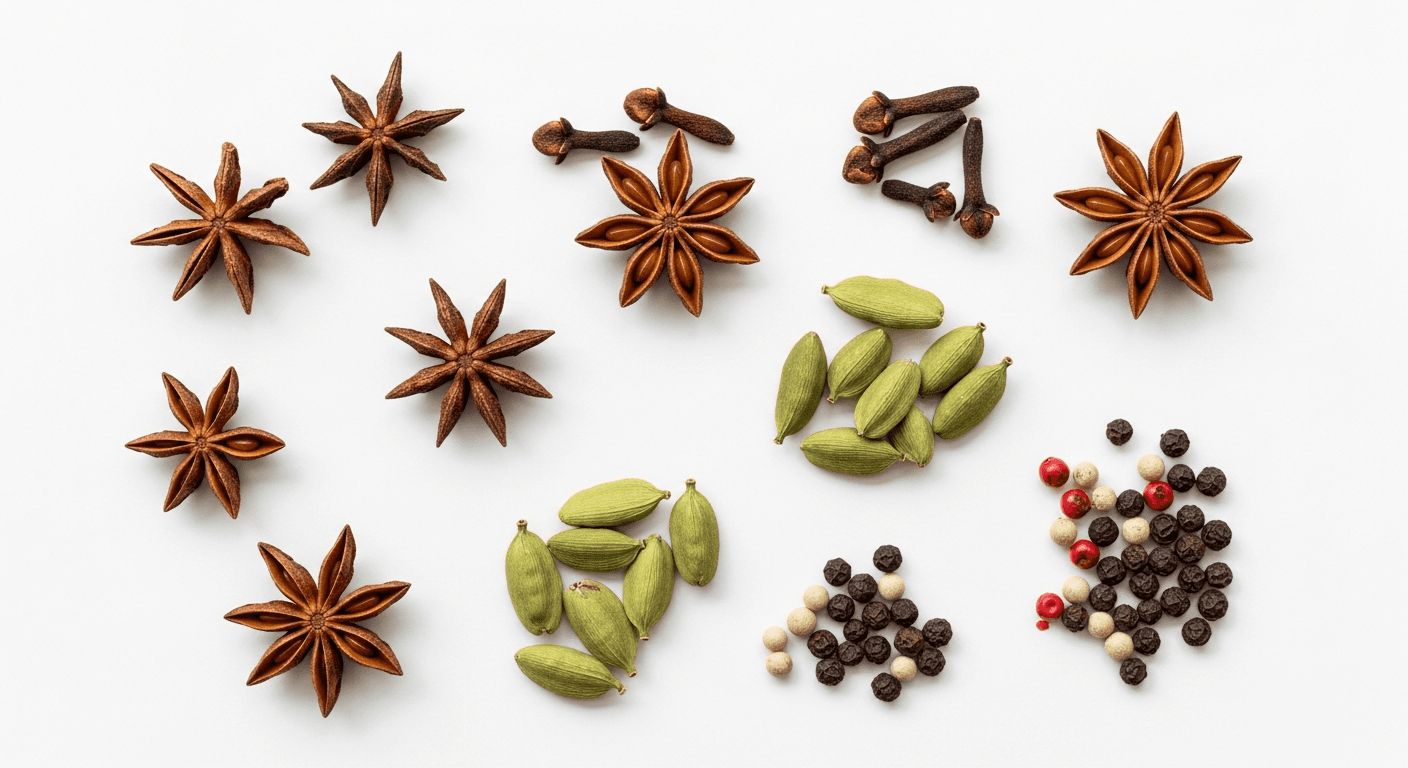
- Herbs and spices, clove, black pepper, star anise, cardamom
- No sugar, no caffeine, no artificial ingredients
Everything in a herbal inhaler is a naturally occurring compound with centuries of traditional medicinal use. There's nothing synthetic and nothing your great-grandmother wouldn't recognise.
How They Work
Energy Drinks: The Caffeine Mechanism
Caffeine works by blocking adenosine receptors in your brain. Adenosine is the neurotransmitter that makes you feel sleepy, it builds up throughout the day and signals your body to rest. Caffeine blocks these signals, preventing you from feeling tired. It also triggers a small release of adrenaline, which is what gives you that "wired" feeling.
The sugar provides a rapid glucose spike, delivering fuel to your muscles and brain. This combination, blocked sleepiness signals plus a glucose rush, is what energy drink manufacturers call "energy." It's effective, but it's essentially a double override of your body's natural signalling systems.
Herbal Inhalers: The Aromatic Pathway
Herbal inhalers work through an entirely different mechanism. When you inhale the aromatic compounds, they interact with your body in three main ways:
Olfactory stimulation, The scent molecules bind to receptors in your nose and send signals directly to your brain's limbic system (emotion, memory, arousal) and brainstem (alertness, attention). This is one of the fastest sensory pathways in the body, faster than sight or sound.
Trigeminal activation, Menthol, camphor, and eucalyptol activate the trigeminal nerve, which innervates your face and nasal passages. This creates cooling, warming, and tingling sensations that your brain interprets as heightened alertness.
Perceived airway opening, Menthol and eucalyptol create a sensation of improved nasal airflow, making each breath feel deeper and more complete. This subjective experience of "better breathing" is energising in itself.
The result: you feel more alert, more focused, and more clear-headed, without any chemical override of your sleep/wake signalling.
The Experience
Energy Drinks
- Onset: 10–30 minutes (time for caffeine to absorb through the gut)
- Peak effect: 30–60 minutes
- Duration: 3–5 hours (caffeine half-life is about 5 hours)
- Sensation: Increased heart rate, reduced drowsiness, mental alertness, sometimes jitteriness or anxiety
- The crash: When caffeine wears off, adenosine floods back. You often feel more tired than before. The sugar crash compounds this.
Herbal Inhalers
- Onset: Immediate (1–2 seconds, direct nasal absorption)
- Peak effect: Immediate
- Duration: 5–30 minutes (fades gradually)
- Sensation: Cooling rush, mental clarity, open breathing, calm alertness
- No crash: Because there's no chemical override happening, there's nothing to "crash" from. The effect simply fades naturally.
The Cost
Energy Drinks
- Price: £1.50–£3.00 per can
- Usage: Most regular users consume 1–3 cans per day
- Weekly cost: £10–£60+
- Annual cost: £500–£3,000+
Herbal Inhalers
- Price: £5–£10 per inhaler
- Usage: One inhaler lasts weeks to months depending on frequency
- Weekly cost: Less than £2
- Annual cost: Under £100
The economics aren't even close.
Health Considerations
Energy Drinks
Energy drinks are one of the most studied beverage categories, and the research raises real concerns:
- Cardiovascular effects, Caffeine combined with taurine and sugar can cause elevated heart rate and blood pressure, particularly concerning for those with underlying heart conditions
- Sugar consumption, A single can contains nearly the entire recommended daily sugar intake for an adult
- Sleep disruption, Caffeine consumed after midday can significantly impact sleep quality, creating a cycle of fatigue and consumption
- Dental health, The combination of sugar and acidity is destructive to tooth enamel
- Dependency, Regular caffeine use creates tolerance and withdrawal symptoms (headaches, irritability, fatigue)
- Mental health, High caffeine intake is associated with increased anxiety, particularly in susceptible individuals
Herbal Inhalers
- No systemic effects, The aromatic compounds are experienced through nasal receptors, not absorbed into the bloodstream in significant quantities
- No dependency, No caffeine or other addictive compounds
- No sleep disruption, Can be used at any time without affecting sleep quality
- No sugar, no calories, Zero impact on diet or dental health
- Traditional safety profile, These compounds have been used in traditional medicine for centuries with well-understood safety parameters
- Mild potential for nasal irritation, Overuse could potentially dry or irritate nasal passages, though this is uncommon at normal usage levels
When Each Makes Sense
Let's be honest: energy drinks and herbal inhalers serve different needs, and there are situations where each has advantages.
Energy drinks make sense when:
- You need sustained alertness over many hours (long drives, all-night study sessions)
- You need the physiological effects of caffeine (actual adenosine blocking)
- You genuinely enjoy the taste and the ritual of drinking something
Herbal inhalers make sense when:
- You want immediate, short-term alertness without systemic effects
- You're already caffeinated and want a non-caffeine boost
- You're in a social setting (clubs, events) where drinking another beverage isn't convenient
- You care about what you put in your body and prefer natural alternatives
- You want to stay sharp at night without destroying your sleep
- You want something portable, pocket-sized, and discreet
The Bottom Line
Energy drinks are a blunt instrument. They work by overriding your body's signals through caffeine and sugar, effective, but with real costs in terms of crashes, sleep quality, sugar intake, and long-term dependency.
Herbal inhalers are a precision tool. They work with your body's existing sensory systems to produce a natural, immediate alertness that fades without a crash. They cost a fraction of the price, carry no significant health risks, and have been refined through centuries of traditional use.
Neither is perfect for every situation. But if you're looking for a way to stay sharp, focused, and present, especially at night, especially in social settings, especially without compromising your health, a herbal inhaler is worth a try.
The millions of people across Southeast Asia who carry one every day already know this. The UK is just catching up.
Get First Access
Be first to buy BLYSS online. Sign up for launch access.
Related Articles
5 Spices That Actually Give You Energy
Forget caffeine pills. These five spices have been used as natural stimulants for centuries, and the science explains why they work.
Natural vs Synthetic Energy: What's Actually Different?
The natural vs synthetic debate is more nuanced than most wellness brands want you to believe.