
The spark
Camphor
Used in Chinese, Ayurvedic, and Southeast Asian medicine for over 2,000 years as a warming stimulant, circulatory aid, and respiratory remedy. One of the most historically significant medicinal substances in Asia.
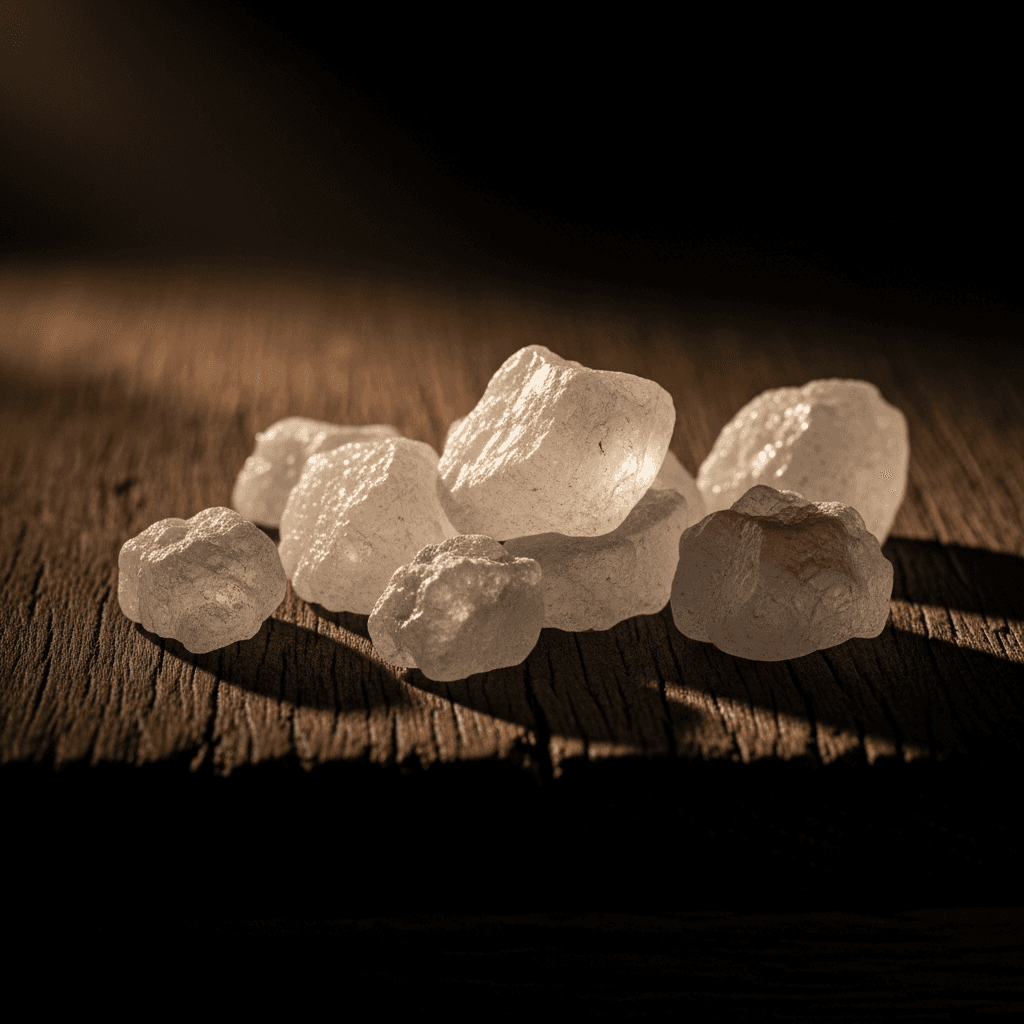
The Spark That Lingers
At 3% of the blend, camphor is the lowest-concentration ingredient in BLYSS, but its impact is disproportionate to its quantity. Camphor is the spark: the warming, penetrating compound that adds a subtle heat to each inhale and creates the lingering sensation that stays with you after the initial cooling rush fades.
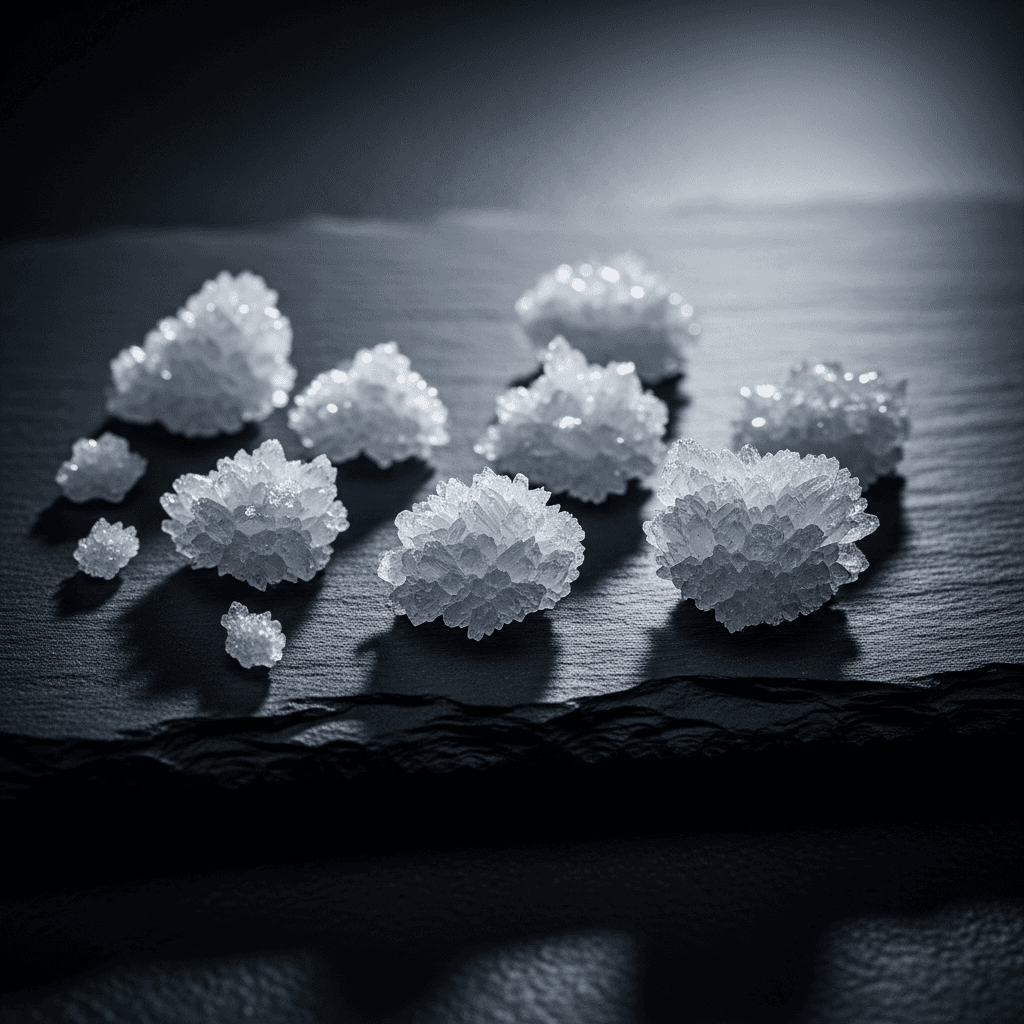
Camphor (C₁₀H₁₆O) is a waxy, white crystalline substance with a sharp, penetrating aroma. It's extracted from the wood of the camphor laurel tree (Cinnamomum camphora), which is native to East Asia and can live for over a thousand years. The oldest camphor trees in Japan are considered sacred, and some have been designated as national natural monuments.
A 2,000-Year Medicinal History
Camphor's medicinal use in Asia predates written records by centuries. Chinese pharmacopoeias from the Han Dynasty (206 BC – 220 AD) include camphor in formulations for pain, inflammation, and respiratory complaints. By the Tang Dynasty, camphor was one of the most important trade goods moving along the Maritime Silk Road from Southeast Asia to China, India, and the Middle East.
In Ayurvedic medicine, camphor (Karpura) holds a special status. It's one of the few substances used in both medicine and worship, camphor is burned in Hindu religious ceremonies as an offering, and its penetrating fragrance is considered purifying. Medicinally, it's classified as a warming, stimulating substance that promotes circulation, relieves congestion, and clears the mind.
The Aromatic Profile
Camphor's scent is immediately recognisable: sharp, medicinal, and warming, with a penetrating quality that feels like it reaches deep into the sinuses. The aroma is dominated by the camphor molecule itself, but natural camphor oil also contains linalool, 1,8-cineole, and safrole in smaller quantities, giving it more complexity than synthetic camphor.
What makes camphor unique among aromatic compounds is its penetrating warmth. Unlike menthol (which cools) or eucalyptus (which clears), camphor warms, it stimulates blood flow to the area of application and creates a sensation of heat that persists.
Traditional Medicinal Uses
Across Southeast Asia, camphor is a staple of external medicine. Thai balms (nam man), Vietnamese medicinal oils, and Indonesian herbal preparations all rely on camphor as a warming, stimulating base. In the Thai herbal inhaler tradition, camphor is paired with menthol and eucalyptus to create a balanced experience: cool on entry, warm on exit.
In traditional Chinese medicine, camphor is used to dispel cold and move blood. It's applied externally for muscle pain, joint stiffness, and chest congestion. The warming, stimulating nature of camphor makes it particularly valued in winter remedies and treatments for conditions caused by cold and stagnation.
In the BLYSS Blend
At 3%, camphor is deliberately the lowest-concentration active ingredient in BLYSS. The reason is precision: camphor is potent, and at higher concentrations it can dominate a blend and feel overly medicinal. At 3%, it provides the subtle warmth that makes the BLYSS experience linger.
Camphor's role in the blend is to provide the finish. Menthol opens. Eucalyptus deepens. The spices add complexity. And camphor provides the warm resolution, the lingering heat that you feel for minutes after each inhale, the gentle reminder that something happened.
It also works synergistically with borneol. The two compounds are chemically related (borneol is the reduced form of camphor), and together they create a warming/calming sensation that's more nuanced than either compound alone.
A Note on Concentration
Camphor is regulated in cosmetic products in many jurisdictions. At 3% of the total blend, the camphor concentration in BLYSS falls well within regulatory limits. This concentration is calibrated to provide sensory warmth without irritation.
Sourcing
The camphor in BLYSS is natural camphor extracted from Cinnamomum camphora wood, sourced from established producers in China and Taiwan. No synthetic camphor is used.
Try BLYSS
Already in the air.
Word travels first.
Get on the list, or hear about it from someone who is.