
Warm intensity
Clove
A cornerstone of Asian traditional medicine for centuries, used as a stimulant, digestive aid, and pain reliever across Chinese, Ayurvedic, and Southeast Asian healing systems.
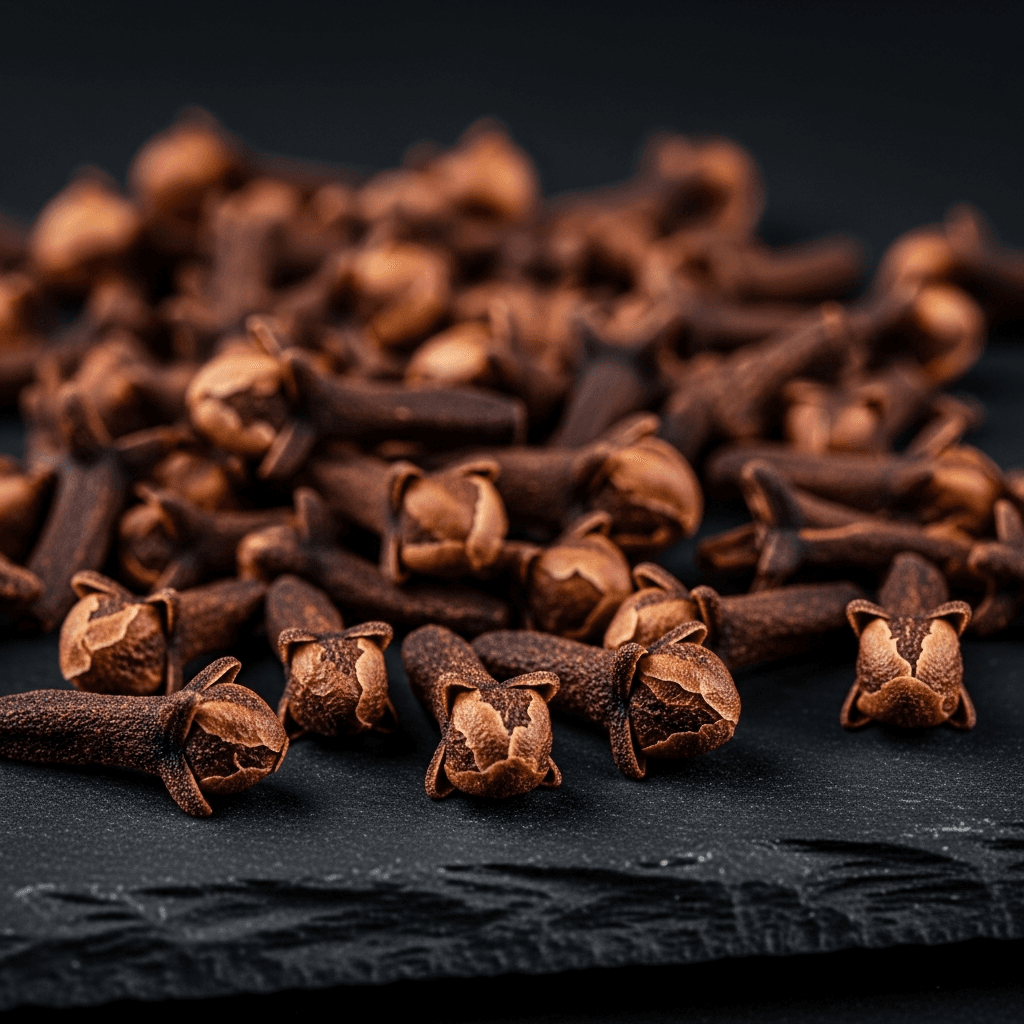
A Spice That Changed the World
Clove has been one of the most prized spices in human history. Wars were fought over it. Empires were built on its trade. The Maluku Islands of Indonesia, the original Spice Islands, were the only source of cloves for thousands of years, and control of these islands shaped the geopolitics of the 15th and 16th centuries.
Long before European traders arrived, clove was central to traditional medicine across Asia. Chinese physicians prescribed it as early as 200 BC for digestive complaints and oral health. In Ayurvedic medicine, clove is classified as a warming herb, one that stimulates circulation, sharpens the mind, and drives away sluggishness.
The Aromatic Profile
The scent of clove is unmistakable: warm, sweet, and slightly sharp, with a depth that lingers. The primary aromatic compound is eugenol, which makes up 70-90% of clove essential oil. Eugenol is what gives clove its characteristic warmth, that penetrating, almost numbing heat that you feel when you bite into a whole clove.
Beyond eugenol, clove contains eugenyl acetate (which adds fruity sweetness) and beta-caryophyllene (which contributes a subtle woody, peppery note). This complexity is what makes clove so valued in perfumery and aromatherapy, it's not a one-note spice.
Traditional Medicinal Uses
Across Southeast Asia, clove has been used for centuries as a natural stimulant. In traditional Thai medicine, it appears in formulations designed to improve alertness and concentration. Thai herbal inhalers, the direct ancestors of BLYSS, have included clove as a core ingredient for generations.
In traditional Chinese medicine (TCM), clove is associated with the kidney and spleen meridians. It's considered a warming herb that tonifies the yang energy, the active, vital force in the body. This makes it particularly valued for combating fatigue, cold sensations, and mental dullness.
Indonesian traditional medicine (Jamu) uses clove extensively in warming tonics and inhalation remedies. The practice of smoking clove cigarettes (kretek) in Indonesia, while a separate tradition, speaks to the deep cultural connection between clove's aroma and its perceived energising effects.
In the BLYSS Blend
In BLYSS, clove provides the warm foundation of the aromatic experience. It's the heat that sits beneath the cooler menthol and eucalyptus notes, the grounding warmth that prevents the blend from feeling purely clinical or sharp.
When you inhale BLYSS, clove is one of the first things you sense after the initial menthol rush subsides. It's the warmth that spreads through the nasal passages, the rich depth that makes the experience feel complex and layered rather than one-dimensional.
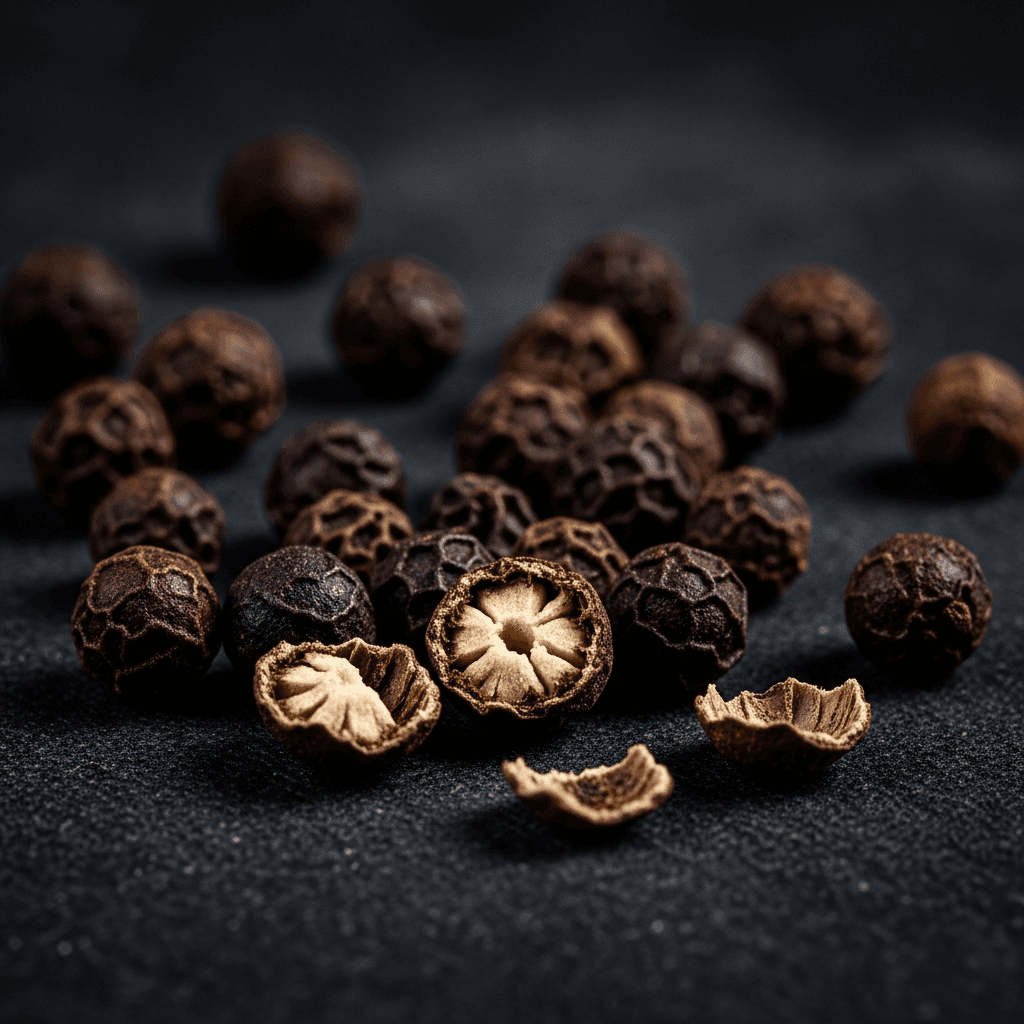
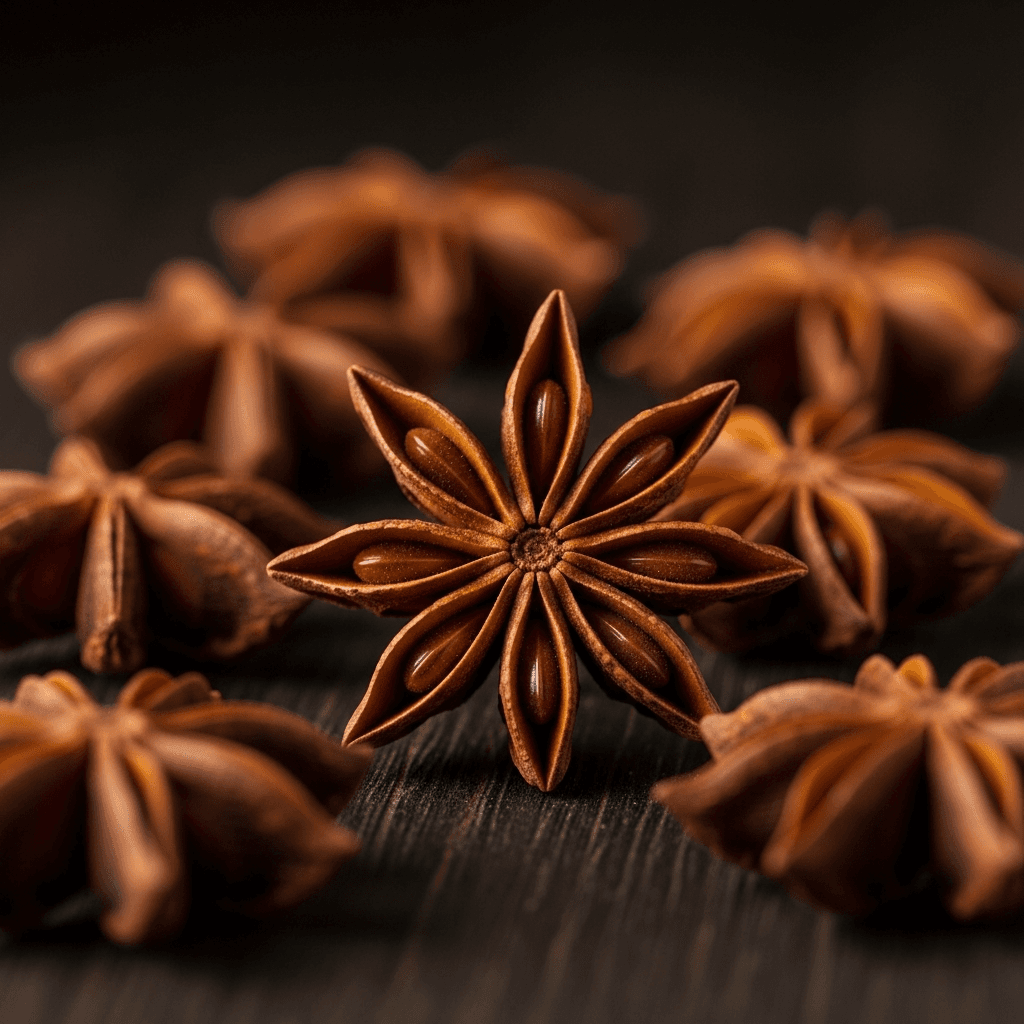
Clove also plays a synergistic role with the other warming ingredients in the blend, black pepper, camphor, and star anise. Together, they create a warmth profile that's stimulating without being aggressive, grounding without being sedating.
Sourcing
The clove in BLYSS is sourced from Indonesian and Madagascan suppliers who maintain traditional harvesting methods. Clove buds are hand-picked before they open into flowers, timing is critical, as the aromatic oil content peaks in the bud stage. They're then sun-dried until they achieve the deep brown colour and concentrated fragrance that marks high-quality clove.
Try BLYSS
Already in the air.
Word travels first.
Get on the list, or hear about it from someone who is.