
The uplift
Cardamom
Known as the "Queen of Spices" in Ayurveda, cardamom has been used for over 4,000 years for respiratory health, mental clarity, digestive wellness, and as a mood-elevating aromatic.
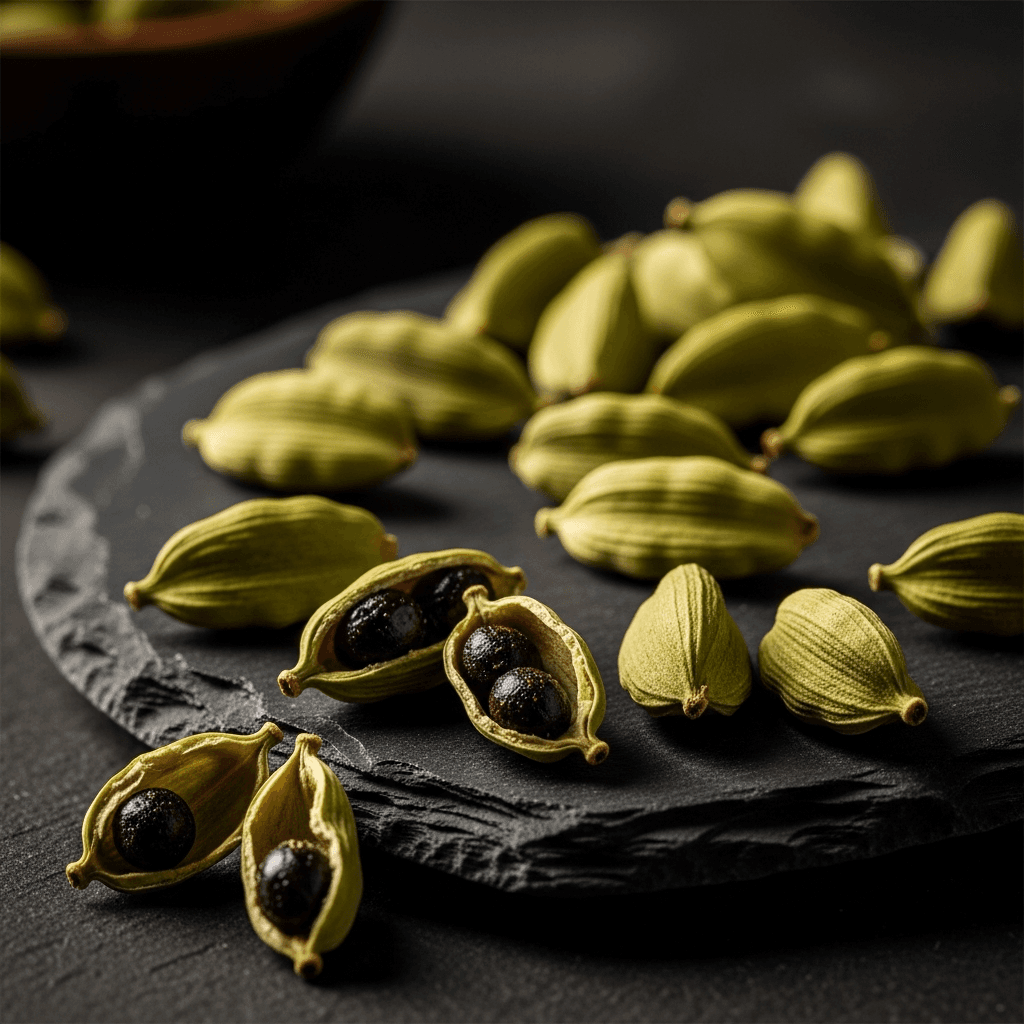
The Queen of Spices
If black pepper is the King of Spices, cardamom wears the crown as Queen. It's the third most expensive spice in the world (after saffron and vanilla), and its aromatic complexity has made it a prized ingredient in medicine, cuisine, and perfumery across cultures for millennia.
Cardamom (Elettaria cardamomum) originates from the Western Ghats of southern India, where it grows in the shaded understorey of tropical rainforests. The ancient Sumerians traded it. The Egyptians chewed it. The Vikings brought it back to Scandinavia from Constantinople. Everywhere cardamom has travelled, it has become essential.
The Aromatic Profile
Cardamom's scent is unlike anything else in the spice world. It's bright, almost luminous, with a complex blend of eucalyptol (camphoraceous freshness), linalool (soft floral), and terpinyl acetate (sweet, herbal). The result is an aroma that manages to be simultaneously fresh, warm, sweet, and spicy.
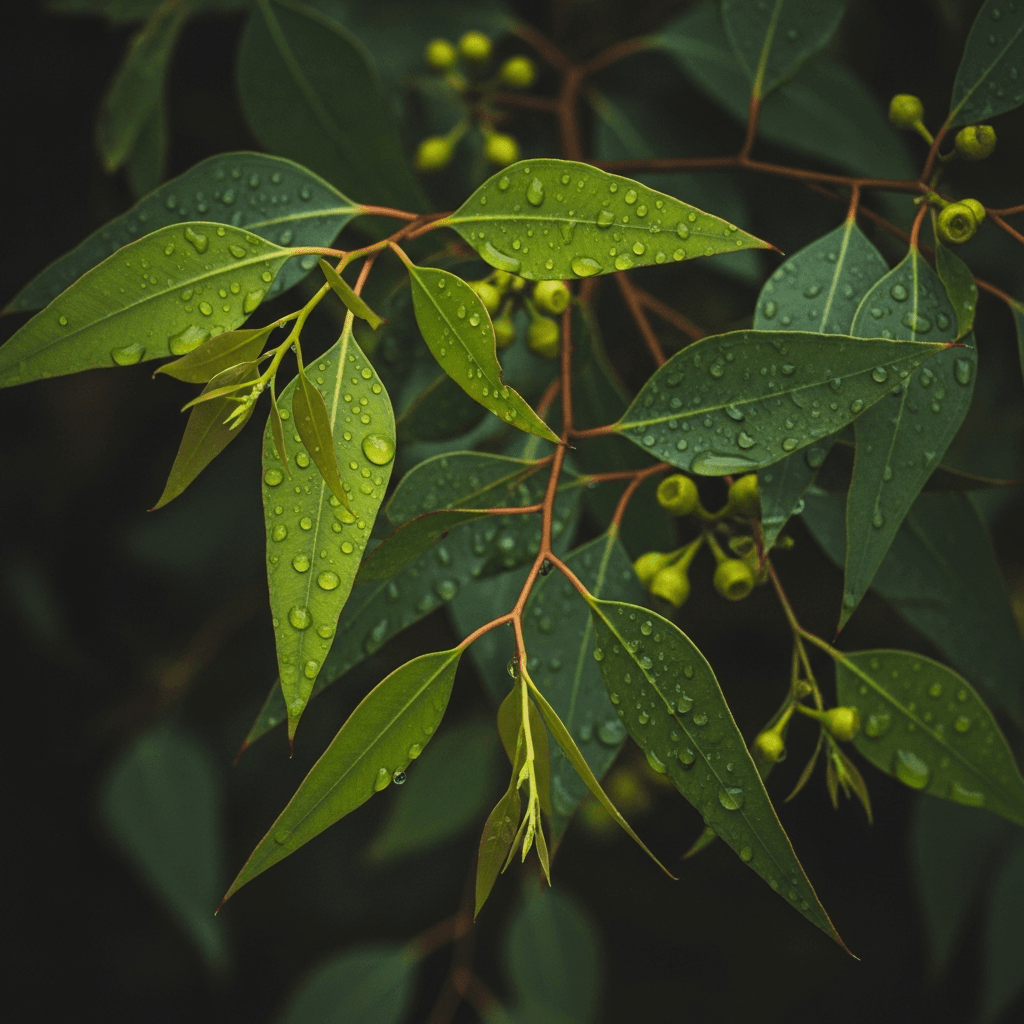
The dominant compound, 1,8-cineole (eucalyptol), connects cardamom directly to the respiratory benefits of eucalyptus. But where eucalyptus is straightforwardly camphoraceous, cardamom wraps that freshness in layers of sweetness and warmth that make it infinitely more complex.
Traditional Medicinal Uses
In Ayurvedic medicine, cardamom is classified as tridoshic, beneficial for all three body types (vata, pitta, kapha). This is rare and speaks to its balanced, versatile nature. It's prescribed for respiratory congestion, digestive discomfort, bad breath, depression, and mental fatigue.
The Ayurvedic concept of cardamom as a mind-brightener is particularly relevant to BLYSS. Traditional texts describe it as an herb that "clears the channels of the mind", that removes the fog and heaviness that accumulate from stress, overeating, or exhaustion. Not through force (like pepper), but through a gentle, uplifting clarity.
In Thai and Southeast Asian medicine, cardamom appears in aromatic formulations designed to refresh and revive. It's found in traditional inhalers, massage balms, and herbal compresses, always valued for its ability to energise without overstimulating.
In the BLYSS Blend
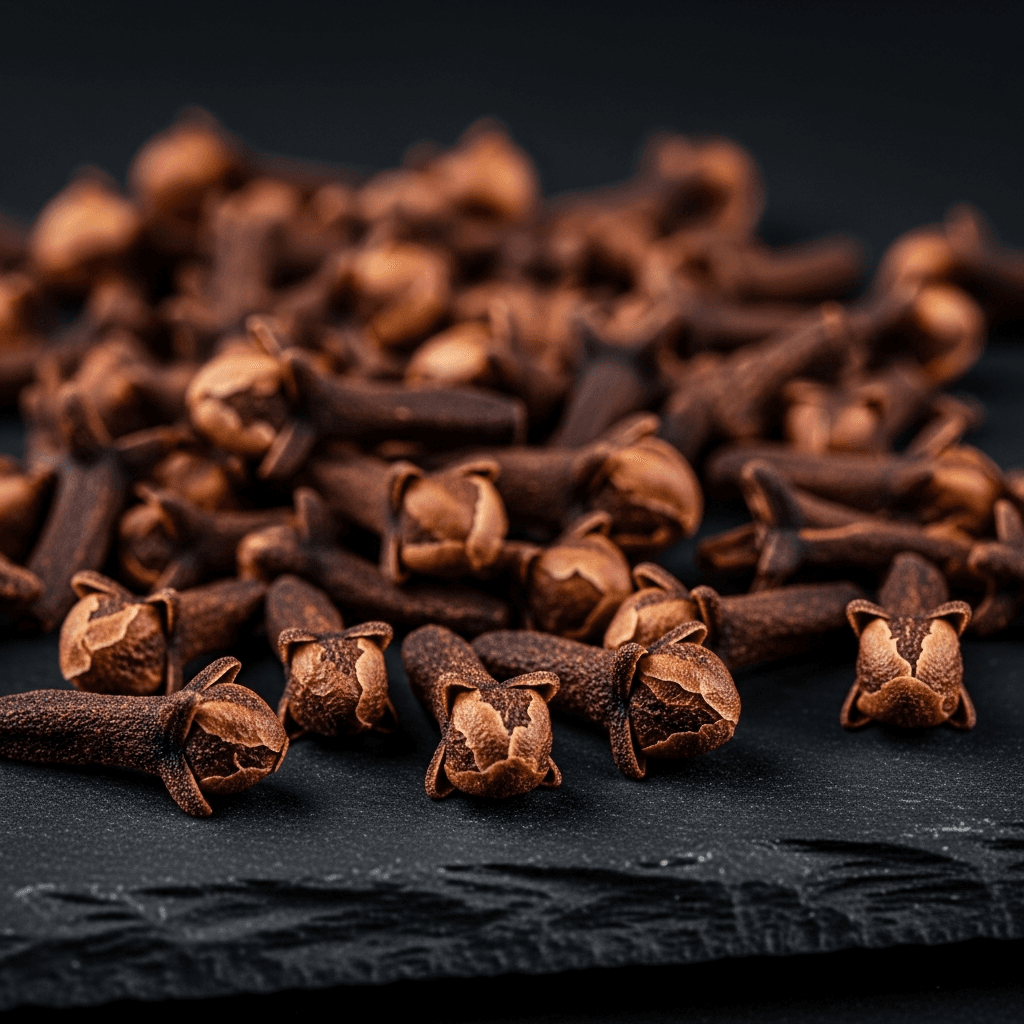
Cardamom is the bright uplift in the BLYSS experience. It sits in the middle register of the blend, between the cool top notes (menthol, eucalyptus) and the warm base notes (clove, camphor), and its role is to illuminate everything around it.
When you inhale BLYSS, cardamom is what makes the experience feel bright. It's the luminous quality that lifts the blend above mere intensity and into something that feels genuinely invigorating. The eucalyptol content connects it to the respiratory-clearing effects of eucalyptus, while its sweet warmth connects it to the grounding spices.
Cardamom is also the ingredient most responsible for the "without overstimulating" promise. Its balanced nature, energising but not aggressive, bright but not harsh, prevents BLYSS from feeling like an assault on the senses.
Sourcing
The cardamom in BLYSS is sourced from the Western Ghats of India and from Guatemalan highland farms, both renowned for producing the highest quality green cardamom pods. The pods are harvested by hand before full maturity, when their essential oil content peaks, and dried carefully to preserve their aromatic complexity.
Try BLYSS
Already in the air.
Word travels first.
Get on the list, or hear about it from someone who is.