
Instant clarity
Menthol
Derived from mint plants cultivated for thousands of years across Asia and Europe, menthol is the most widely used natural compound for respiratory relief, mental alertness, and the sensation of cooling.
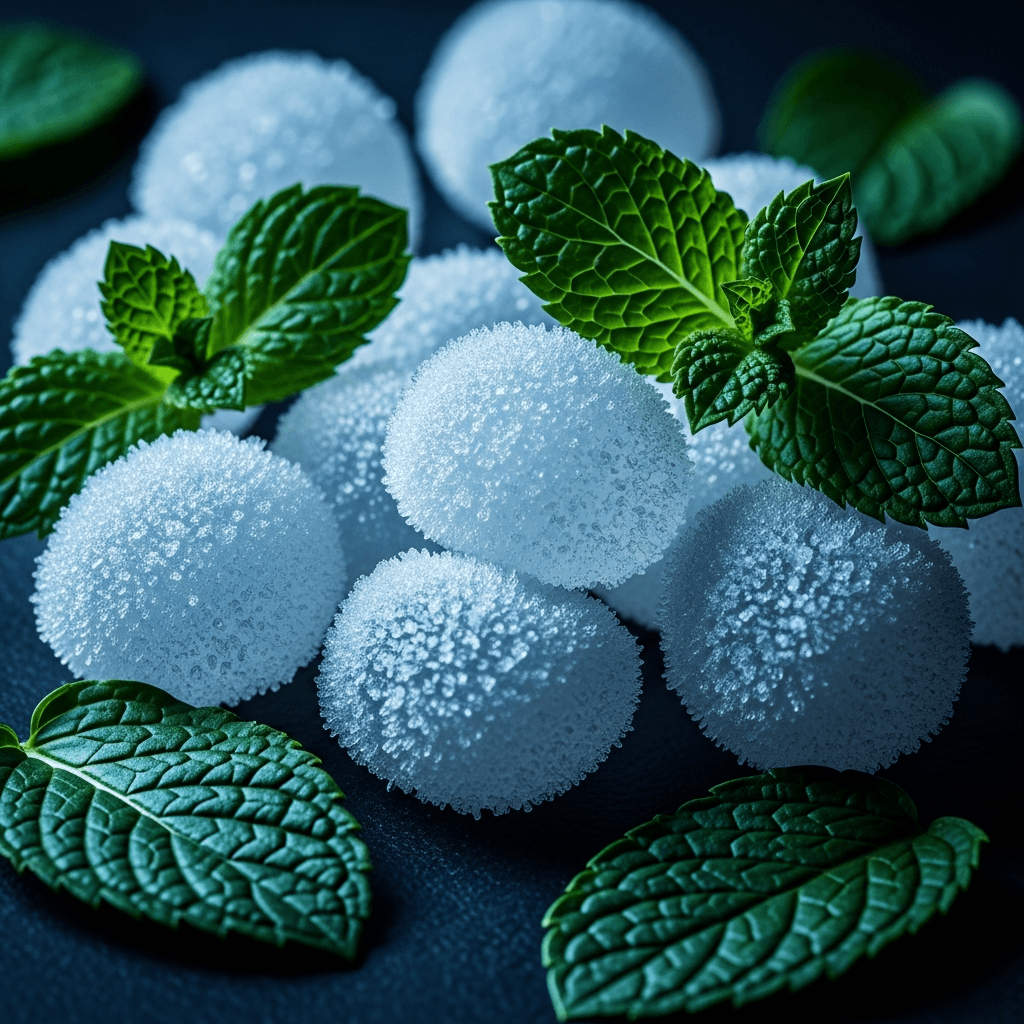
The Cooling Rush
Menthol is the first thing you feel when you inhale BLYSS. At 18% of the blend, it's the dominant active compound, and for good reason. Menthol is nature's most effective airway opener and one of the most immediately perceptible sensory experiences in the natural world.
The cooling sensation of menthol is not actually a temperature change. Menthol activates TRPM8, the cold-sensitive receptor in your nasal and skin cells, triggering your nervous system to perceive cold even though the actual temperature hasn't changed. This is the same receptor that responds to genuinely cold temperatures, which is why menthol feels so convincingly cool.
The Science of Menthol
Menthol (C₁₀H₂₀O) is a cyclic terpene alcohol found naturally in mint plants, particularly Mentha arvensis (wild mint) and Mentha piperita (peppermint). It exists in several isomeric forms, but l-menthol, the naturally occurring form, is the most potent and the form used in BLYSS.
When inhaled, menthol does several things simultaneously:
- Activates cold receptors (TRPM8) in the nasal epithelium, creating the cooling sensation
- Increases nasal airflow perception, studies show menthol doesn't actually decrease nasal resistance, but it makes you feel like you're breathing more freely
- Stimulates trigeminal nerve endings, creating a mild analgesic effect that can relieve sinus pressure
- Promotes alertness through the stimulation of the olfactory and trigeminal systems, which have direct connections to the brain's arousal centres
Traditional Uses
Menthol has been used in traditional medicine across every culture that grows mint. In Ayurveda, mint is a cooling herb prescribed for headaches, respiratory congestion, and mental fatigue. In traditional Chinese medicine, mint (Bo He) clears heat and wind from the head, benefiting the eyes and throat.
The Thai herbal inhaler tradition, the direct ancestor of BLYSS, has centred on menthol for generations. Products like Poy-Sian and Siang Pure use menthol as their primary active ingredient, typically at concentrations of 15-40%. These inhalers are ubiquitous in Thailand: carried by taxi drivers, office workers, students, and nightlife-goers as an everyday tool for staying alert and clear-headed.
In the BLYSS Blend
At 18%, menthol is the lead note in the BLYSS aromatic experience. It's calibrated to deliver an immediate, unmistakable cooling sensation that opens the senses and demands attention, without being so concentrated that it overwhelms the supporting ingredients.
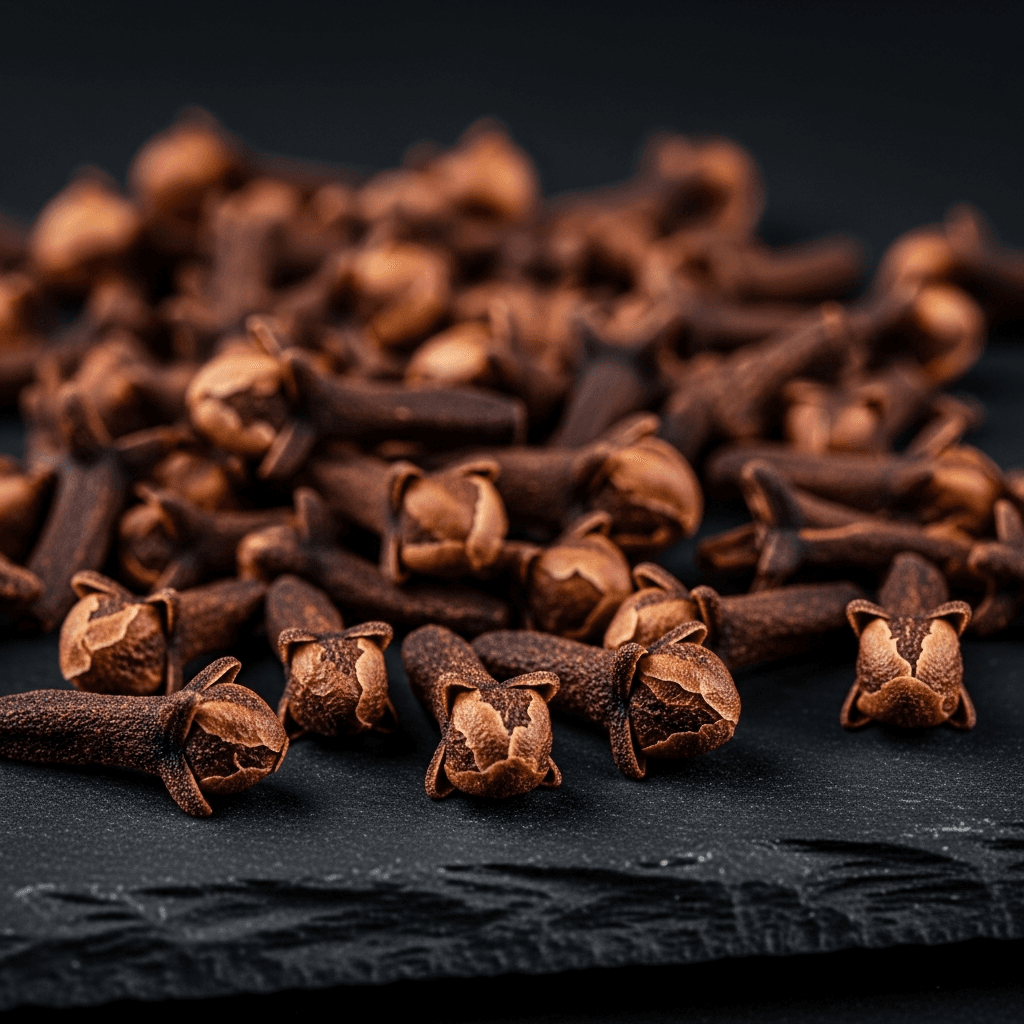
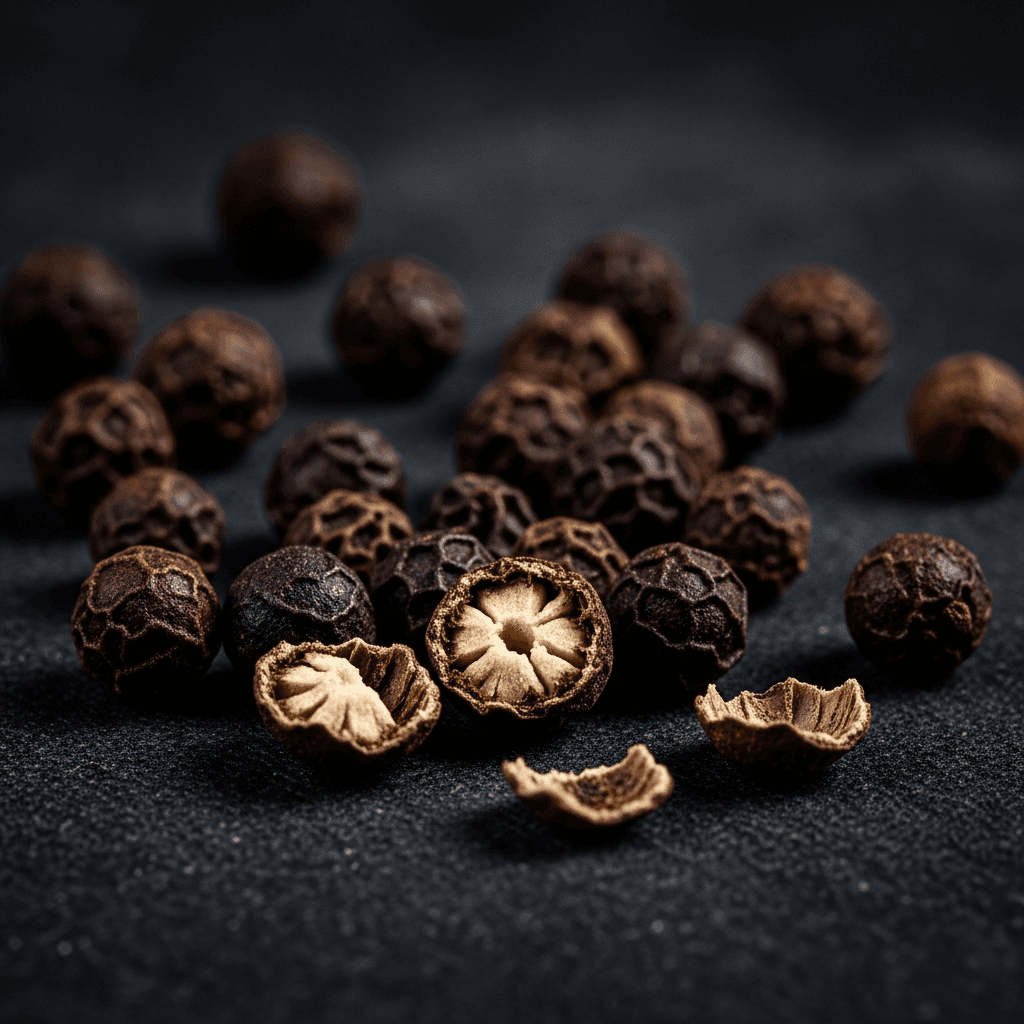
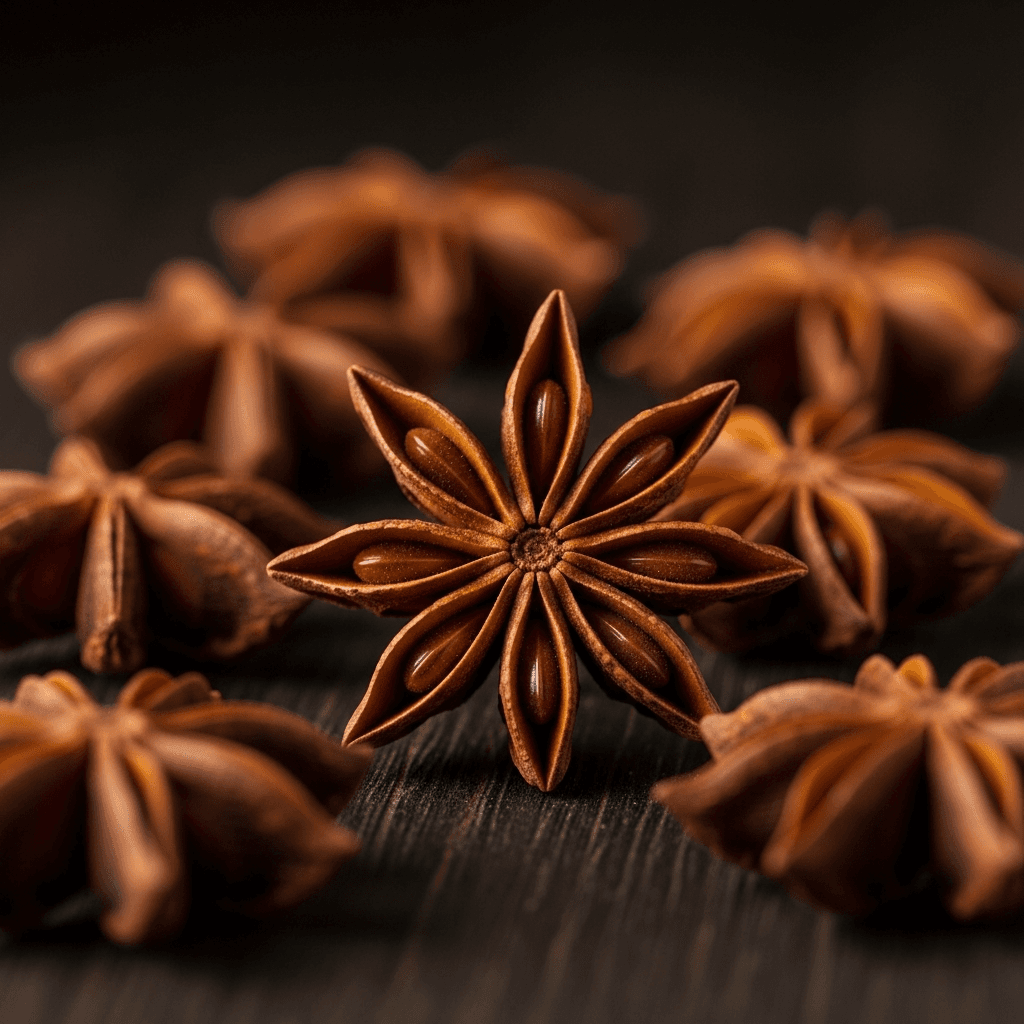
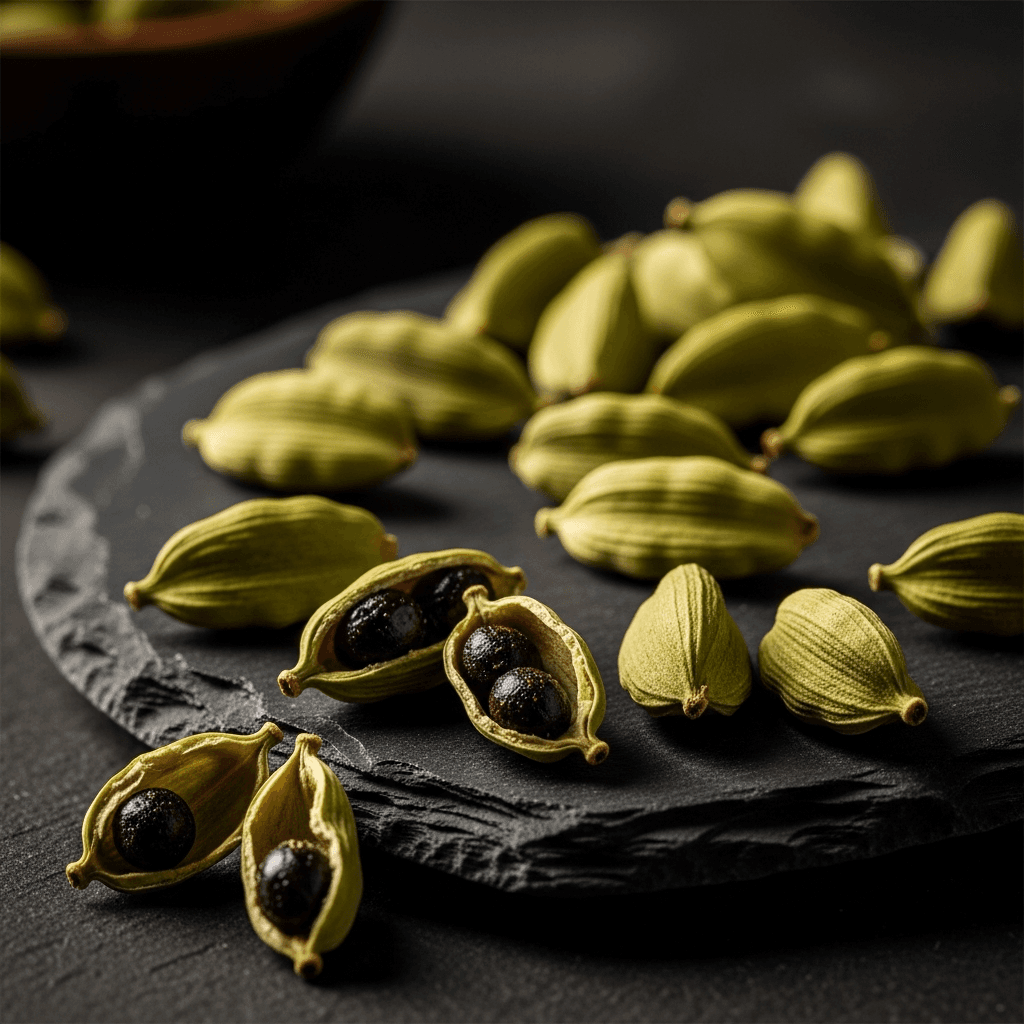
This concentration was chosen deliberately. Higher menthol percentages (25%+) tend to dominate everything else, creating a one-dimensional experience. At 18%, the cooling rush is powerful but leaves room for the warmth of clove and black pepper, the depth of star anise, and the brightness of cardamom to come through as the initial menthol sensation settles.
Menthol is the instant clarity in the BLYSS promise. It's what makes the first inhale feel like a reset, a sharp, clean line drawn between the foggy before and the clear after.
Sourcing
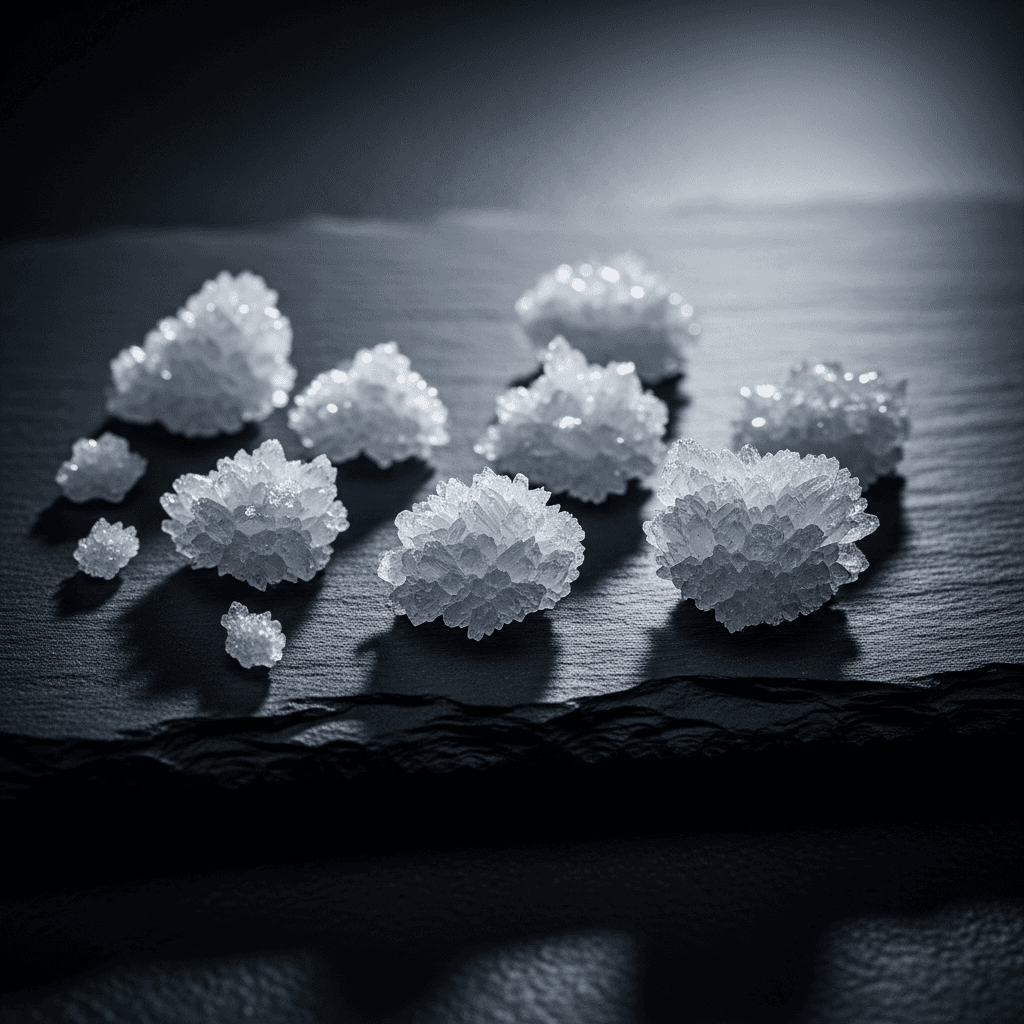
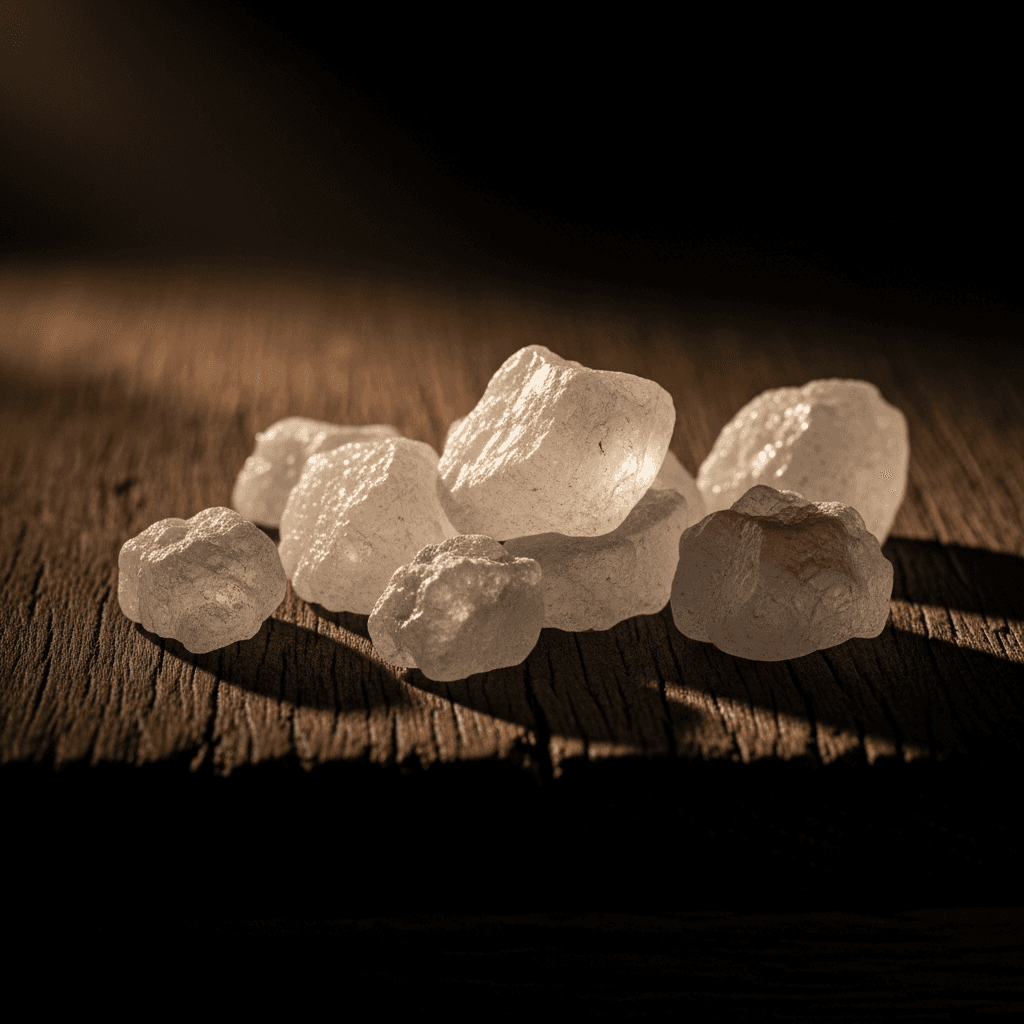
The menthol in BLYSS is sourced from Indian and Chinese Mentha arvensis suppliers who produce natural l-menthol through steam distillation and crystallisation of mint oil. No synthetic menthol is used.
Try BLYSS
Already in the air.
Word travels first.
Get on the list, or hear about it from someone who is.